The Problem, loosely defined . . .
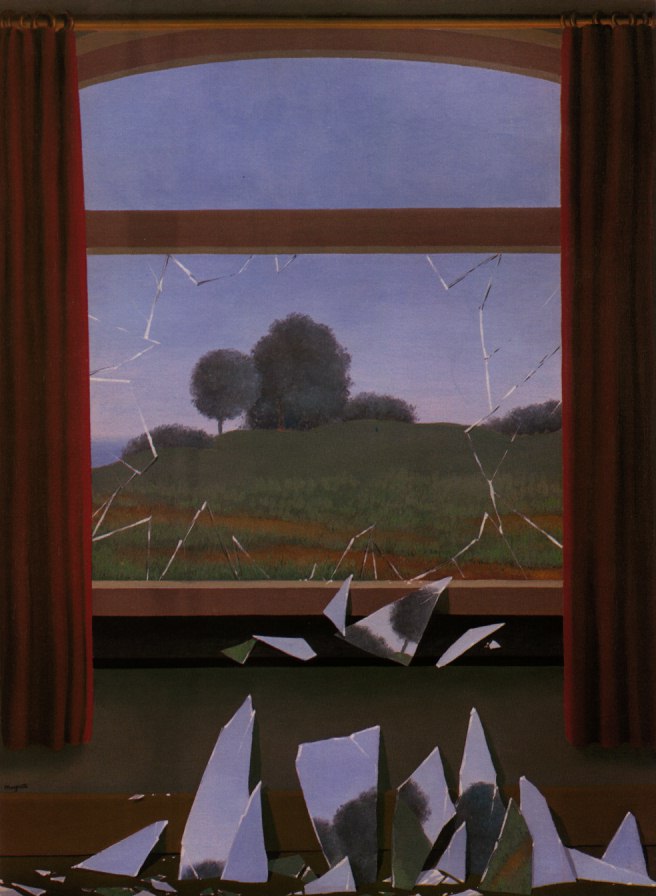
For French cultural theorist Jean Baudrillard, the problem with representation
becomes an issue of "simulation" (especially as it is practiced
by the news media). Simulations introduce a logic which defies the neat
separation between the original (or "real") and the copy, combining
elements of both categories until the distinction loses its force. For
example, a television program devoted to the "true crime" genre
(e.g., COPS) may recreate the scene of a crime--either with video
footage, or through a dramatization--to such a degree that its approximates
news coverage of an actual crime. In such a case, the genre conventions
(e.g., style of narration, use of voiceover, handheld cameras) usually
inform the viewer of the program's intended effect, but the content destabilizes
"reality" in a disturbing fashion. 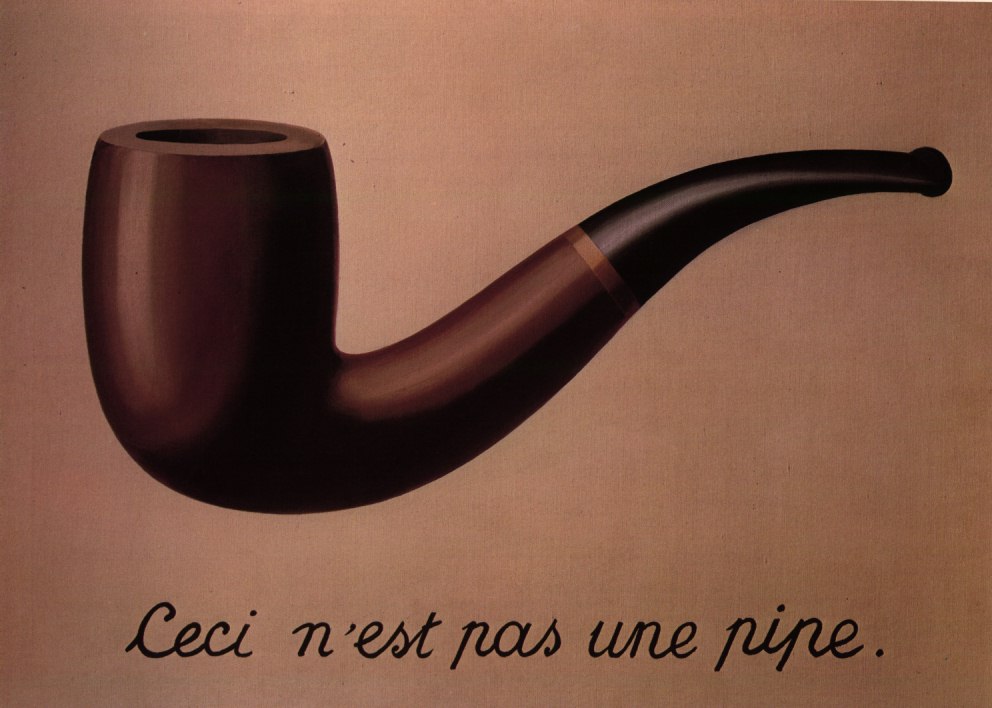 Applying
this same logic to the photographic image, a representation of a historical
figure significantly shapes our perceptions of that individual (e.g., images
of Kennedy taken from the Zapruder film), even as we recognize that it
is "just a photograph." In other words, there is a tendency to
confuse the representation with its referent. Images capture aspects of
the real, but they also represent a limited perspective, a fact sometimes
overlooked.
Applying
this same logic to the photographic image, a representation of a historical
figure significantly shapes our perceptions of that individual (e.g., images
of Kennedy taken from the Zapruder film), even as we recognize that it
is "just a photograph." In other words, there is a tendency to
confuse the representation with its referent. Images capture aspects of
the real, but they also represent a limited perspective, a fact sometimes
overlooked.